|
|
Last Modified on May 11, 2026
Local law enforcement continues to enforce strict DUI laws in South Carolina, in an effort to reduce impaired driving and traffic accidents. However, it is also important to learn more about these DUI laws to protect yourself from criminal charges. A DUI arrest can lead to serious criminal penalties, including license suspension and fines, if you don’t take the right steps.
What Is a DUI in South Carolina?
In South Carolina, a driver can be charged with driving under the influence (DUI) if they operate a vehicle while they are impaired by alcohol or drugs or if their blood alcohol concentration (BAC) is 0.08% or higher.
Law enforcement agencies, such as the South Carolina Highway Patrol, take these cases seriously due to the extreme harm impaired driving can cause. In 2024, 11,904 people in the United States died in a drunk-driving accident. South Carolina has the highest percentage of impaired-driving fatalities, making up 43% of all traffic fatalities.
South Carolina’s DUI Penalties
DUI penalties in South Carolina can vary depending on factors such as your BAC level, prior convictions, and whether you caused an accident. For a first DUI offense without any aggravating factors, penalties may include:
- Between 48 hours and 30 days in jail
- A six-month license suspension
- A fine of up to $400, not including assessment fees and surcharges
- Installation of an ignition interlock device
- Completion of an alcohol and drug safety action program
Penalties increase for repeat offenders. A second DUI offense can result in longer sentences and higher fines. Also, while some first offenses may result in 48 hours of public service rather than 48 hours of jail, repeat offenses have mandatory jail time.
Why South Carolina’s Implied Consent Law Matters in a DUI Case
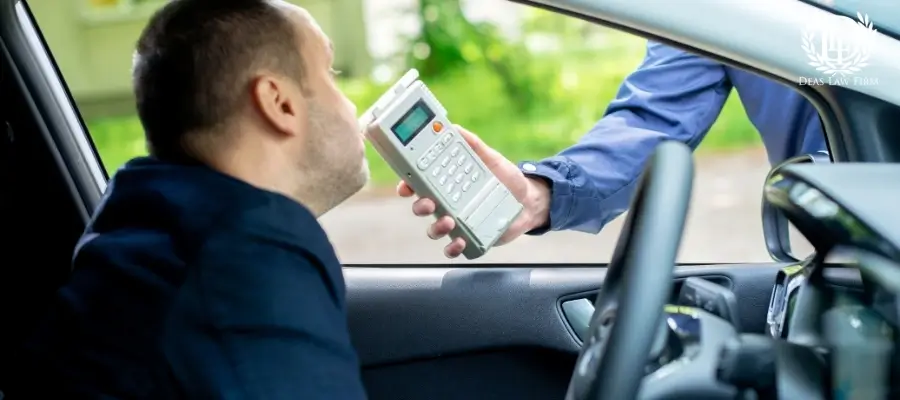
An important DUI law to be aware of is the Implied Consent Law. Under this law, all drivers in South Carolina are considered to have given consent to chemical testing if they are arrested on suspicion of DUI. This includes blood, breath, urine, or other testing that can provide information about the amount of alcohol or drugs in your system.
Refusing a chemical test can trigger penalties under this law. You may face immediate license suspension, and your refusal to test may be used as evidence against you in your trial. To avoid these added challenges, comply with any testing after you are arrested.
What You Should Do After a DUI Arrest
Being arrested is an overwhelming experience, and can leave you struggling to remember what rights you have and what South Carolina’s DUI laws are. The most important thing to remember is to remain calm and contact a DUI lawyer.
When you are being arrested, try to remain respectful and compliant with police officers during the arrest and booking process. That being said, you do not need to discuss your case or answer questions about the alleged offense. Doing so can actually harm your case, as law enforcement is looking for evidence to use against you later. Instead, request to contact a South Carolina DUI attorney and remain silent.
A lawyer can explain what to say and do in order to protect your rights. They can also communicate on your behalf, minimizing the chance of misunderstandings or accidental self-incrimination that may make it difficult to build a DUI defense.
Why You Should Hire a DUI Lawyer From Deas Law Firm
Deas Law Firm has over 24 years of experience in South Carolina’s criminal justice system. Our skilled attorneys provide aggressive criminal defense and relentless advocacy throughout a DUI case. We understand how stressful a DUI charge can be, which is why we help you understand the process and defend your rights.
During a DUI case, we carefully examine every aspect of the case, including the traffic stop, field sobriety testing, chemical test, and police conduct to identify potential defense strategies. When working with us, you can expect a strategic defense tailored to your unique situation.
FAQs
What Is the New Law for DUI in South Carolina?
The New DUI law in South Carolina is the All Offender Law. This law became effective in May of 2024 and required that all offenders who wished to drive install an ignition interlock device (IID) and have the data downloaded at least every 60 days. Previously, certain offenders did not have to install an IID, such as if they were first-time offenders with a BAC under 0.15.
Is South Carolina a Zero Tolerance State?
Yes, South Carolina is a zero-tolerance state. In South Carolina, it is illegal for drivers under 21 to drive with any amount of alcohol in their system. The BAC limit for drivers under 21 is 0.02%. Violating the zero-tolerance law or being charged with a DUI as a driver under 21 can lead to license suspension, community service, fines, and other inconvenient penalties.
Is a Second DUI a Felony in South Carolina?
No, a second DUI in South Carolina is typically not a felony offense. Similar to first offenses, a second DUI offense is a misdemeanor. However, a second DUI charge may be elevated to a felony, such as if you caused death or serious bodily injury. A DUI becomes a felony on the third or fourth offense, depending on your BAC.
What Are Common DUI Defenses?
Common DUI defenses often involve challenging the legality of a traffic stop, the accuracy of a breathalyzer or other chemical test, or whether law enforcement had probable cause for an arrest. If you hire a DUI lawyer, they can analyze the evidence from your case to determine what defense strategy is likely to be the most effective. This is important, as every DUI case involves different facts, evidence, and circumstances that can impact what makes a strong defense.
Speak With an Experienced South Carolina DUI Attorney From Deas Law Firm
If you are facing DUI charges in South Carolina, you should work with a lawyer with a deep knowledge of the local laws. At Deas Law Firm, we can guide you through complex DUI cases. Contact us today to schedule a free case consultation where you can learn how experienced legal guidance can make a significant difference in the outcome of your case.